Publications All Use Cases & Applications Electrolyzer Cells Electrolyzer Stacks Electrolyzer Systems General Electrolyzer degradation, the silent margin killer The hydrogen market has spent the past few years returning to fundamentals: building supply around the strongest and most bankable business cases. At the core of these projects lie two decisive pillars: reliable revenues and competitive production costs. Download Electrolyzer Systems Redefining Electrolyzer Performance: The Case for Constant Efficiency Download Learn how coupling our high temperature electrolyzer with eFuel processes can contribute to aviation decarbonization in a cost efficient way, a study led hand-in-hand with Airbus. 2025 Download Use Cases & Applications Competitive eSAF with SOEC technology High-temperature electrolysis of steam is one of the most energy-efficient techniques for producing hydrogen. This study explores the potential of replacing steam methane reformers with high-temperature electrolysis, utilizing heat sources from a midsize oil refinery. 2025 Download Use Cases & Applications Insight in the Decarbonization of Oil Refining by Integrating High-Temperature Electrolysis Improvement of O2 electrode for both performance and durability. 2024 Download Electrolyzer Cells Effect of Urea content on SOEC electrode morphologies Understanding the degradation mechanism in the O2 electrode by ab-initio modelling. 2024 Download Electrolyzer Cells Study of SrO formation and Sr diffusion mechanism in LSCF electrode using ab-inito modelling Efficient operation of a Solid-oxide steam electrolyser requires a well-designed heat management system to heat the entering streams up to the electrolyser temperature (700-850°C). The different components are dimensioned and modeled using Dymola software. The control strategy is studied and optimized to maintain a stable electrolyser operation. 2024 Download Electrolyzer Systems Heat storage for the coupling of Waste Heat Recovery and hydrogen production in a Solid-Oxide electrolyser Coupling the HTE process with a direct reduced iron (DRI) plant can help the steel industry lower its carbon footprint by using the low-carbon hydrogen as a reducing agent and fuel, instead of synthesis gas derived from either natural gas or coal. In this study we aim to predict the performance of an integrated DRI plant via process modelling and simulation. 2024 Download Use Cases & Applications High-Temperature Electrolysis Integrated with Direct Reduced Iron Process for Producing Low-Carbon Steel The gas-tightness of the stack is a major issue in high temperature electrolysers used for hydrogen production. This paper presents the study and modelling of material crystallization allowing us to obtain a better description of the seal microstructure evolution during the stack operation. 2024 Download Electrolyzer Stacks Study of a glass-ceramic sealant over the stack lifetime In this paper we aim to simulate the thermal behavior of a stack within a SOEC system using a Reduced Order Model approach (ROM) based on the proper orthogonal decomposition methodology [3]. A Full Order Model (FOM) has first been developed to calculate a large number of operations cases and to constitute a learning cases database. 2024 Download Electrolyzer Stacks Model reduction approach applied to the thermal simulation of a solid oxide electrolysis stack To facilitate the deployment of pre-industrial systems, CEA is dedicating considerable resources to scaling up its proprietary stack-based design and gaining deeper insights into optimizing its utilization. An experimental investigation is underway to explore these effects during hydrogen production. 2024 Download Electrolyzer Stacks Thermal effects on polarisation curve in high compactness CEA stack When designing industrial Solid Oxide Electrolysis systems, the gas-tightness of the inner parts and auxiliaries is a technical subject requiring dedicated attention. This paper addresses the general topic of the gas-tightness requirements and their impacts on systems and stacks design and operation. 2024 Download Electrolyzer Stacks Gas-tightness studies at high temperature: application to SOE PressHyous, is aiming to produce low-carbon pressurised H2 at reduced cost. It will prove the concept through the operation of a 20 kWe pressurised lab-scale device (eq. 13.5 kg of pressurized H2/day). To complement the practical testing of the PressHyous concepts, the project will deliver model-based insights for H2 production under pressure for up to 5 identified use cases. 2024 Download Electrolyzer Systems Pressurized hydrogen produced by high temperature steam electrolysis: the European project PressHyous Understanding the reactions mechanism in the O2 electrode by ab-initio modelling. 2023 Download Electrolyzer Cells Investigation of the Reaction Mechanisms in LSCF Electrode using ab-initio modelling CEA is working on the whole value chain of SOC technology, from cell development and optimisation to module design and operation through stack upscaling. Recent achievements on those aspects will be presented. 2023 Download General Recent Highlights on Solid Oxide Cells, Stacks and Modules Developments at CEA The result of 15 years’ research and development, Genvia’s high-performance electrolyser and fuel cell systems are based on a proprietary solid oxide stack technology that offers improved efficiency, process reversibility and fuel versatility over competing approaches. In this publication, the strategic road map of GENVIA for SOEC technology development and manufacturing is described. 2022 Download General Status of Electrolyser Development at GENVIA No papers found matching your criteria. View more
Electrolyzer degradation, the silent margin killer The hydrogen market has spent the past few years returning to fundamentals: building supply around the strongest and most bankable business cases. At the core of these projects lie two decisive pillars: reliable revenues and competitive production costs. Download Electrolyzer Systems Redefining Electrolyzer Performance: The Case for Constant Efficiency Download
Learn how coupling our high temperature electrolyzer with eFuel processes can contribute to aviation decarbonization in a cost efficient way, a study led hand-in-hand with Airbus. 2025 Download Use Cases & Applications Competitive eSAF with SOEC technology
High-temperature electrolysis of steam is one of the most energy-efficient techniques for producing hydrogen. This study explores the potential of replacing steam methane reformers with high-temperature electrolysis, utilizing heat sources from a midsize oil refinery. 2025 Download Use Cases & Applications Insight in the Decarbonization of Oil Refining by Integrating High-Temperature Electrolysis
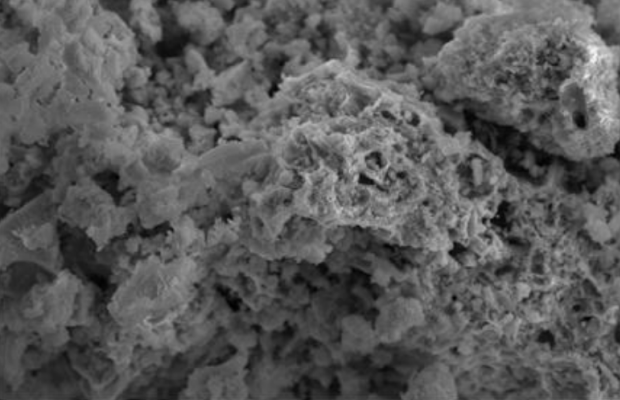
Improvement of O2 electrode for both performance and durability. 2024 Download Electrolyzer Cells Effect of Urea content on SOEC electrode morphologies
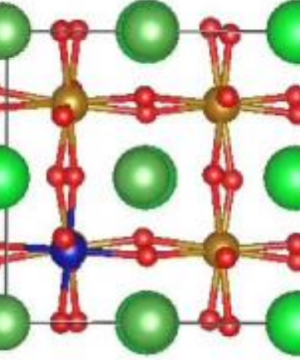
Understanding the degradation mechanism in the O2 electrode by ab-initio modelling. 2024 Download Electrolyzer Cells Study of SrO formation and Sr diffusion mechanism in LSCF electrode using ab-inito modelling
Efficient operation of a Solid-oxide steam electrolyser requires a well-designed heat management system to heat the entering streams up to the electrolyser temperature (700-850°C). The different components are dimensioned and modeled using Dymola software. The control strategy is studied and optimized to maintain a stable electrolyser operation. 2024 Download Electrolyzer Systems Heat storage for the coupling of Waste Heat Recovery and hydrogen production in a Solid-Oxide electrolyser
Coupling the HTE process with a direct reduced iron (DRI) plant can help the steel industry lower its carbon footprint by using the low-carbon hydrogen as a reducing agent and fuel, instead of synthesis gas derived from either natural gas or coal. In this study we aim to predict the performance of an integrated DRI plant via process modelling and simulation. 2024 Download Use Cases & Applications High-Temperature Electrolysis Integrated with Direct Reduced Iron Process for Producing Low-Carbon Steel
The gas-tightness of the stack is a major issue in high temperature electrolysers used for hydrogen production. This paper presents the study and modelling of material crystallization allowing us to obtain a better description of the seal microstructure evolution during the stack operation. 2024 Download Electrolyzer Stacks Study of a glass-ceramic sealant over the stack lifetime
In this paper we aim to simulate the thermal behavior of a stack within a SOEC system using a Reduced Order Model approach (ROM) based on the proper orthogonal decomposition methodology [3]. A Full Order Model (FOM) has first been developed to calculate a large number of operations cases and to constitute a learning cases database. 2024 Download Electrolyzer Stacks Model reduction approach applied to the thermal simulation of a solid oxide electrolysis stack
To facilitate the deployment of pre-industrial systems, CEA is dedicating considerable resources to scaling up its proprietary stack-based design and gaining deeper insights into optimizing its utilization. An experimental investigation is underway to explore these effects during hydrogen production. 2024 Download Electrolyzer Stacks Thermal effects on polarisation curve in high compactness CEA stack
When designing industrial Solid Oxide Electrolysis systems, the gas-tightness of the inner parts and auxiliaries is a technical subject requiring dedicated attention. This paper addresses the general topic of the gas-tightness requirements and their impacts on systems and stacks design and operation. 2024 Download Electrolyzer Stacks Gas-tightness studies at high temperature: application to SOE
PressHyous, is aiming to produce low-carbon pressurised H2 at reduced cost. It will prove the concept through the operation of a 20 kWe pressurised lab-scale device (eq. 13.5 kg of pressurized H2/day). To complement the practical testing of the PressHyous concepts, the project will deliver model-based insights for H2 production under pressure for up to 5 identified use cases. 2024 Download Electrolyzer Systems Pressurized hydrogen produced by high temperature steam electrolysis: the European project PressHyous
Understanding the reactions mechanism in the O2 electrode by ab-initio modelling. 2023 Download Electrolyzer Cells Investigation of the Reaction Mechanisms in LSCF Electrode using ab-initio modelling
CEA is working on the whole value chain of SOC technology, from cell development and optimisation to module design and operation through stack upscaling. Recent achievements on those aspects will be presented. 2023 Download General Recent Highlights on Solid Oxide Cells, Stacks and Modules Developments at CEA
The result of 15 years’ research and development, Genvia’s high-performance electrolyser and fuel cell systems are based on a proprietary solid oxide stack technology that offers improved efficiency, process reversibility and fuel versatility over competing approaches. In this publication, the strategic road map of GENVIA for SOEC technology development and manufacturing is described. 2022 Download General Status of Electrolyser Development at GENVIA